Strengthening seabed security
Thirty-five partners from thirteen countries share a common goal: to better monitor what happens beneath the ocean surface. The SEACURE project will ensure that hostile actors can no longer operate undetected in the depths.
.jpg?quality=50)
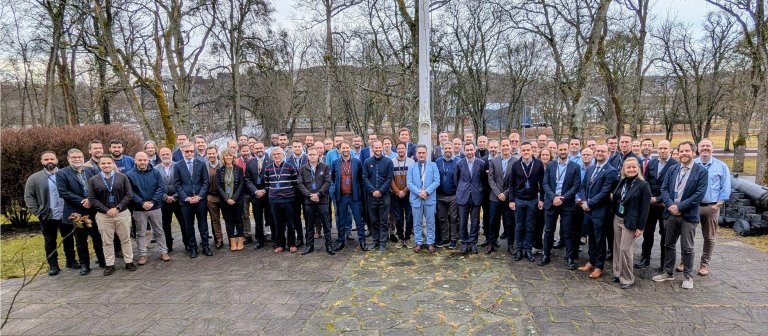
In the historic buildings of Sjømilitære Samfund (the Naval Society) in Horten, a number of European stakeholders recently gathered to further explore how to monitor and counter underwater threats, including those targeting critical seabed infrastructure.
With a budget exceeding NOK 700 million, SEACURE (SEabed and Anti-submarine warfare Capability through Unmanned featuRe for Europe) is one of the most ambitious projects under the European Defence Fund (EDF). The objective is clear: Europe must be faster at detecting and handling threats to seabed infrastructure, while also strengthening its ability to hunt submarines.

A comprehensive collaboration
Two key objectives of the project are to identify operational concepts for anti-submarine warfare and seabed warfare. The aim is to develop a system based on unmanned units that can be integrated into conventional naval forces and to demonstrate these solutions at sea in real conditions.
The answer is not a single vessel or system, but a complex interaction between unmanned drones and traditional naval vessels. This is a ‘system of systems’.
The project started at the very end of 2024 and will run until 2028. It will proceed in four phases: study, design, prototyping, and demonstration.
By aligning technology choices and demonstration plans at this stage, the 35 partners from 13 countries can ensure that they are moving in the same direction.
Torstein Olsmo Sæbø and Kjetil Bergh Ånonsen lead the project on behalf of FFI.
‘We’re now in the middle of the design phase. It’s important that it’s carried out thoroughly, so that we enter the prototype phase with the right solutions,’ they say.
FFI works closely with Kongsberg Discovery and several major actors in the European defence industry, such as Thales and Leonardo.
FFI lays the groundwork
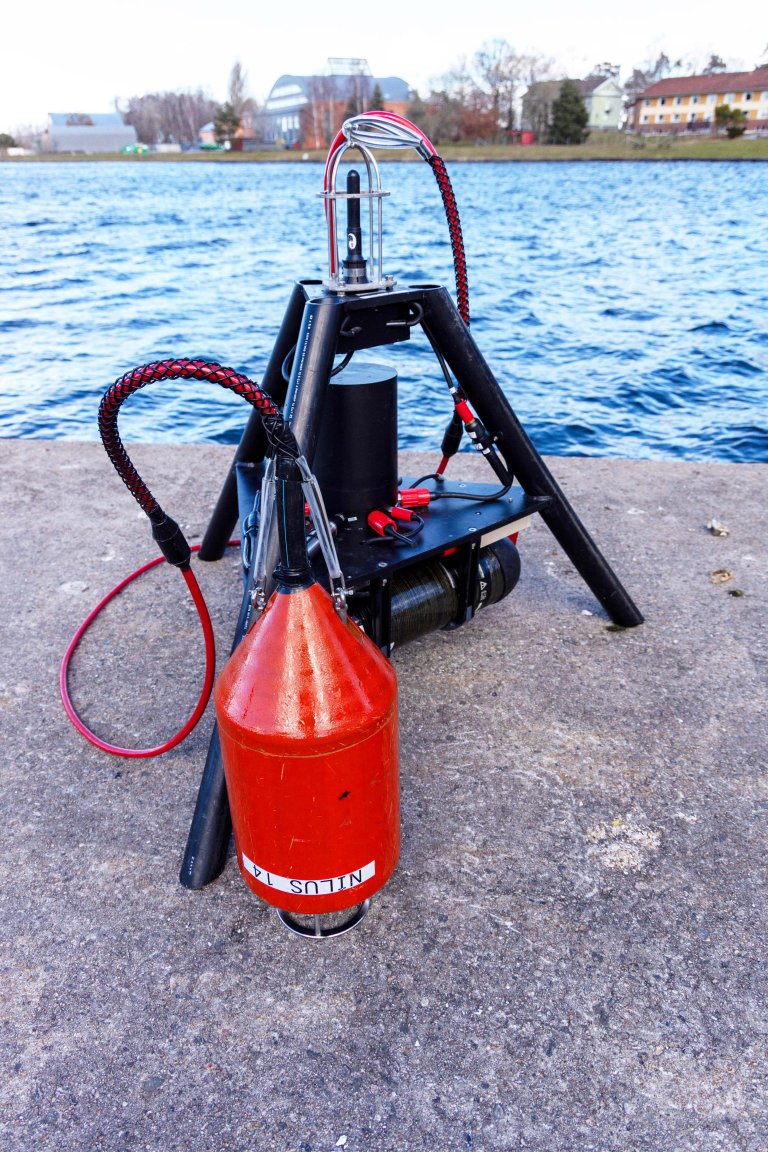
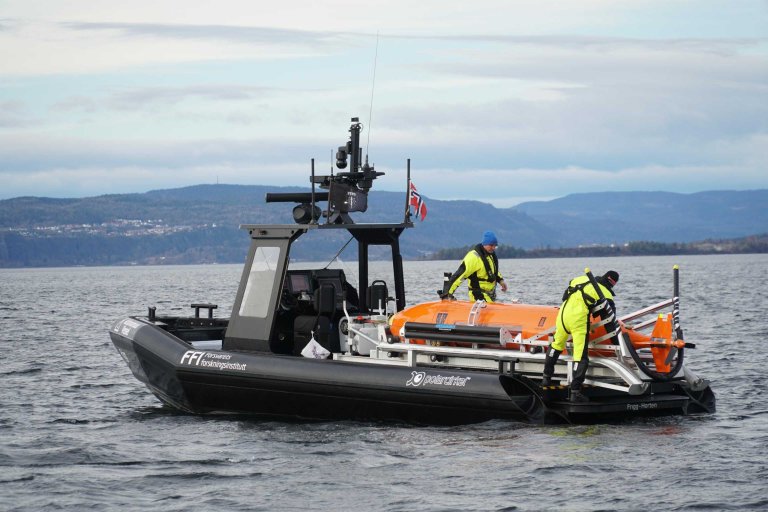
FFI plays a key role, particularly within research on seabed warfare. Three research environments at FFI are involved, and these contribute specialist expertise to the project within the areas of autonomous underwater vehicles (AUVs), autonomous surface vessels (ASVs), and underwater sensor nodes such as NILUS (Network Intelligent Underwater Sensors).
In SEACURE, FFI will demonstrate capabilities such as advanced sonar imaging, data processing using AI, and vehicle autonomy, including the ability to identify foreign objects near pipelines or sabotage.
FFI is also exploring acoustic monitoring through towed antennas deployed from both ASVs and AUVs in order to detect smaller vessels such as hostile AUVs and other unmanned underwater systems.
Seamless communication is also part of the plan: how can different robots communicate underwater to share situational awareness practically in real time?

2028 is the finish line
The project began in November 2024 and will run for a total of 45 months. The coming years will focus on moving the technology from the drawing board to real-world demonstrations at sea. For Norway, participation is not only about European solidarity but also about ensuring national control over our own vast maritime areas.